On this page
Most Shopify product pages are written for a shopper who already knows what they want. They lead with a stock code (SKU), a price, and a photo, and leave the material, fit, and use case as an afterthought, if they're mentioned at all.
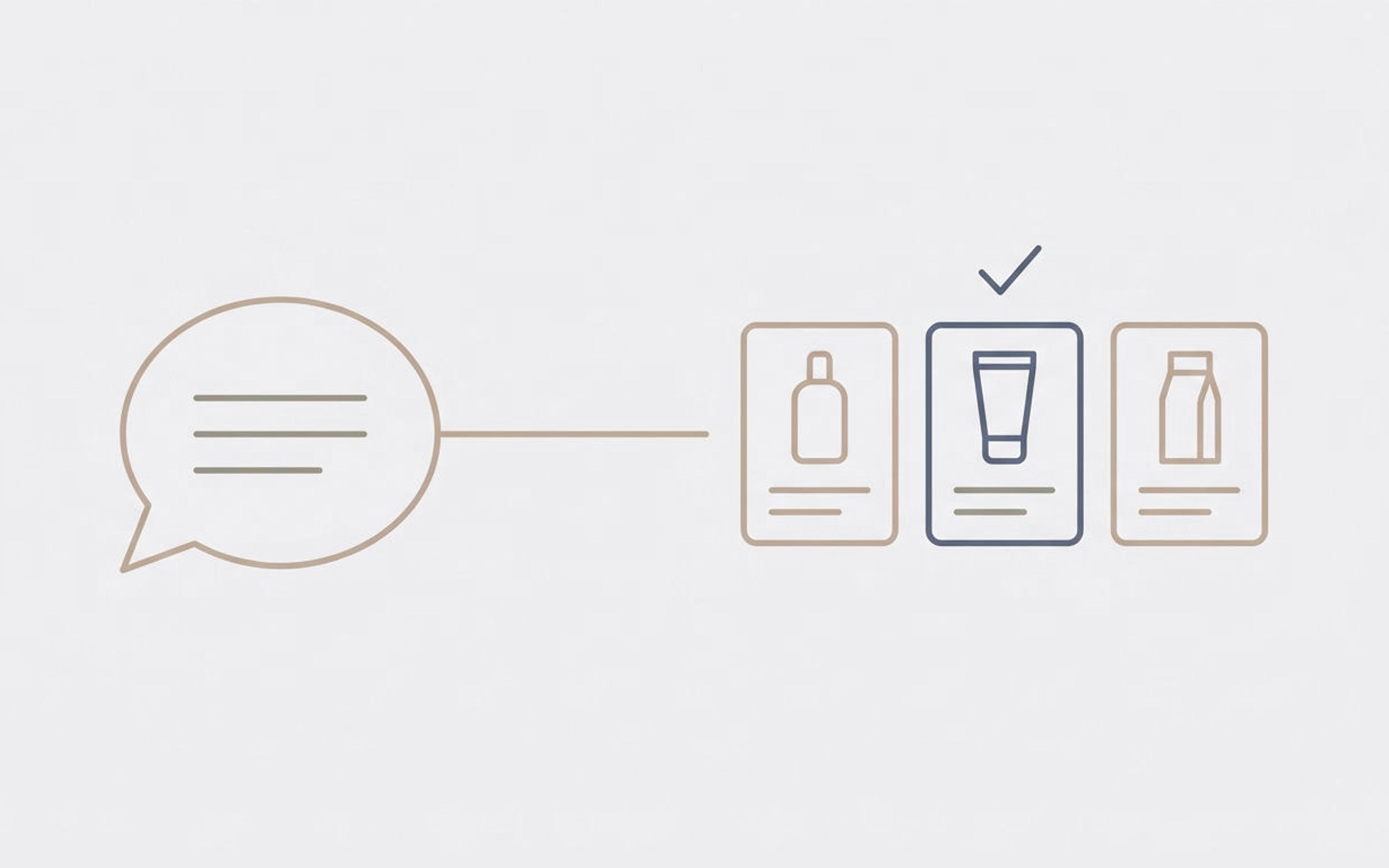
That's a problem for AI assistants, which don't already know what they want either. When someone asks ChatGPT or Perplexity for a no-pull harness for a dog that hates things over its head, the assistant is looking for the exact details most listings skip.
Three gaps account for nearly all of it.
Gap one: the product page never says what the product is for
Marketing writing describes a feeling. Assistants need a use case.
“Engineered for the modern explorer” tells an AI nothing it can repeat. “Step-in design; front clip to reduce pulling; fits chests 22 to 32 inches” gives it three separate facts, each of which can answer a different question.
The test: read your description and count the claims a stranger could verify. Most listings score zero or one.
Gap two: the hidden product labels are incomplete
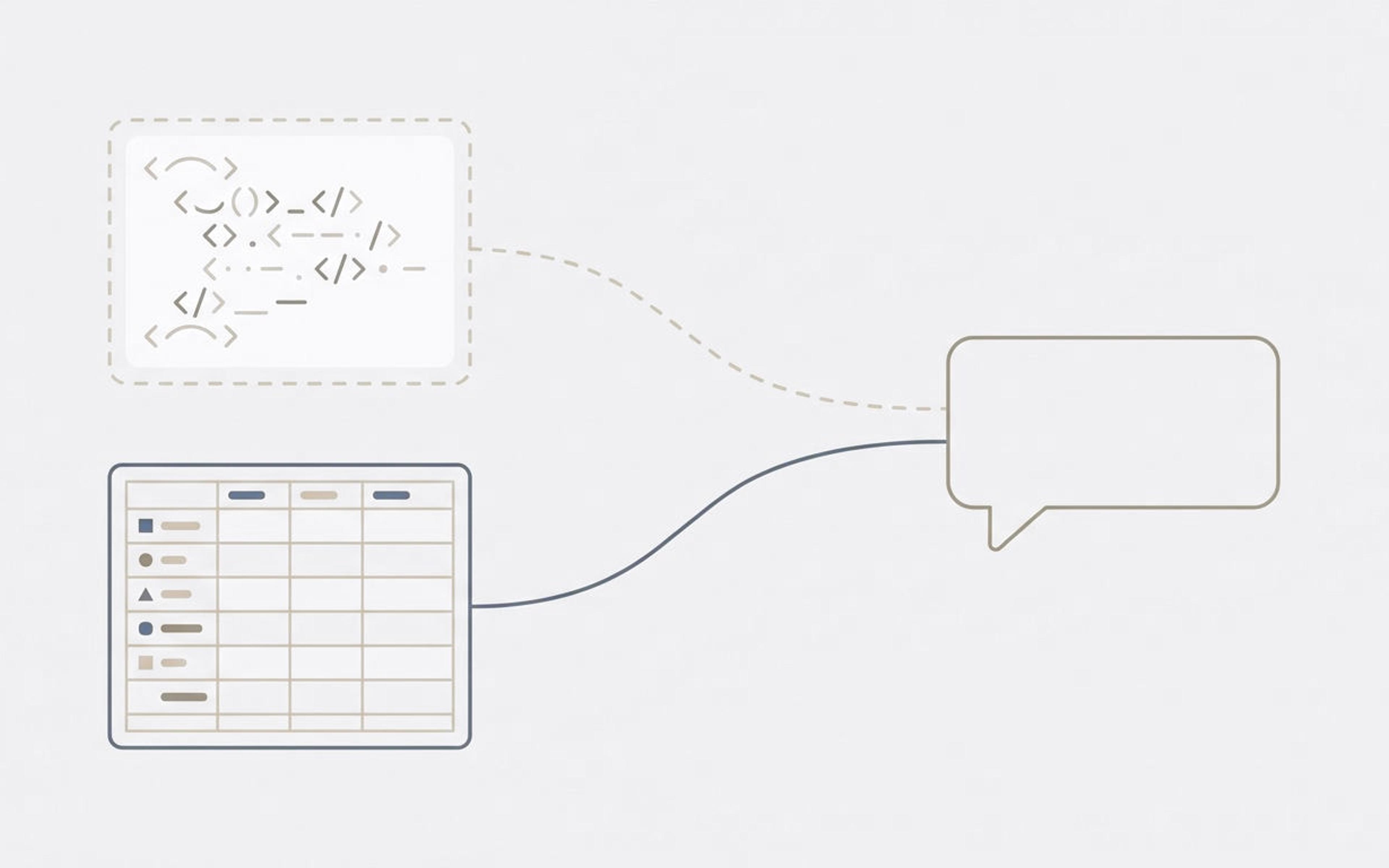
Most Shopify themes add hidden code, called structured data, that labels the basics: name, image, price, currency. Those are the fields Google requires, and they're enough to be listed and not enough to be chosen.
What's usually missing is everything that makes a product comparable:
material,color,sizeaudience— who the product is forgtin/mpn(barcode number, maker's part number) — so an AI can tell your listing is the same product it has seen elsewhereaggregateRating(your star rating) — when you genuinely have reviews on the product page
Gap three: sizes and colors look like strangers
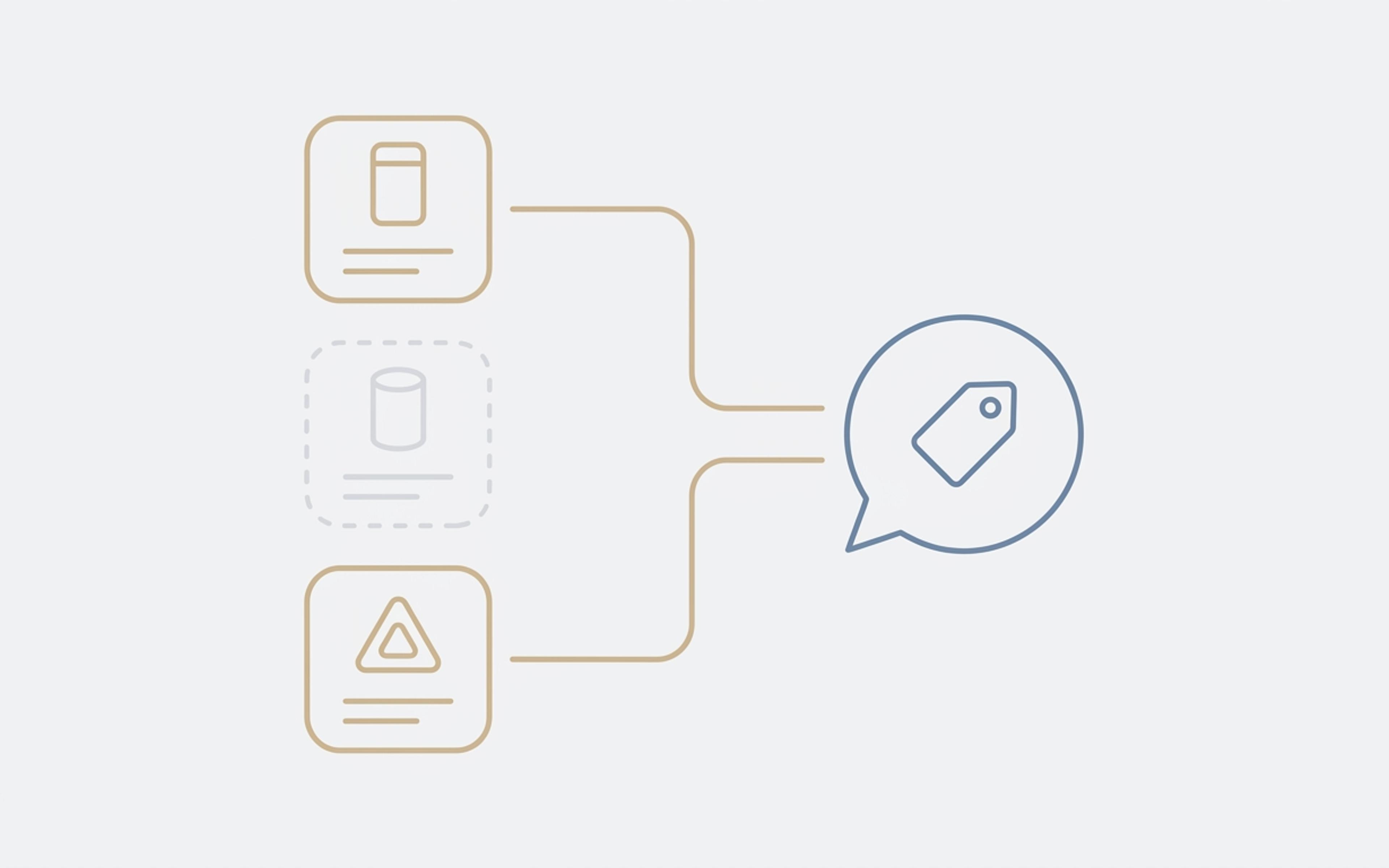
A harness in four colors often appears as four unrelated products: different titles, different descriptions, sometimes different specs. To an assistant, that's four weak listings rather than one strong one. Google's instructions for grouping a product's sizes and colors exists for exactly this, and most catalogs don't use it.
The symptom is easy to spot: search your own store for a product name and count how many near-identical results come back.
How to tell, in three questions
- Could someone write a one-sentence recommendation of this product using only what's on the product page? If not, an AI assistant can't either.
- Is every fact in the description also stored as a labeled detail a computer can read? A paragraph alone leaves the AI guessing.
- Do a product's sizes and colors agree with each other, and are they grouped as one product?
Then run the real test: ask an assistant the question this product should win, and see who it names instead. The listing it picks will usually be plainer, more specific, and less polished than yours.
Why this is worth fixing first
These three gaps are cheap to close compared to anything else in marketing. The data already exists in your business; it's sitting in a spec sheet, a supplier email, or your own head. It just isn't on the product page in a form AI can read.