Two kinds of structured data, and why the studies seem to disagree
Melvin Adu · October 19, 2026
Structured data means product facts written in a form computers can read. Two findings about it came out this year, and they seem to point in opposite directions.
- Ahrefs tracked 1,885 pages that added schema markup, hidden code that labels facts for computers. AI barely cited them more.
- Shopify says AI searches that used its Catalog, the product information it shares with AI tools, "converted twice the rate of those using scraped data." In plain terms: shoppers who searched that way were twice as likely to buy.
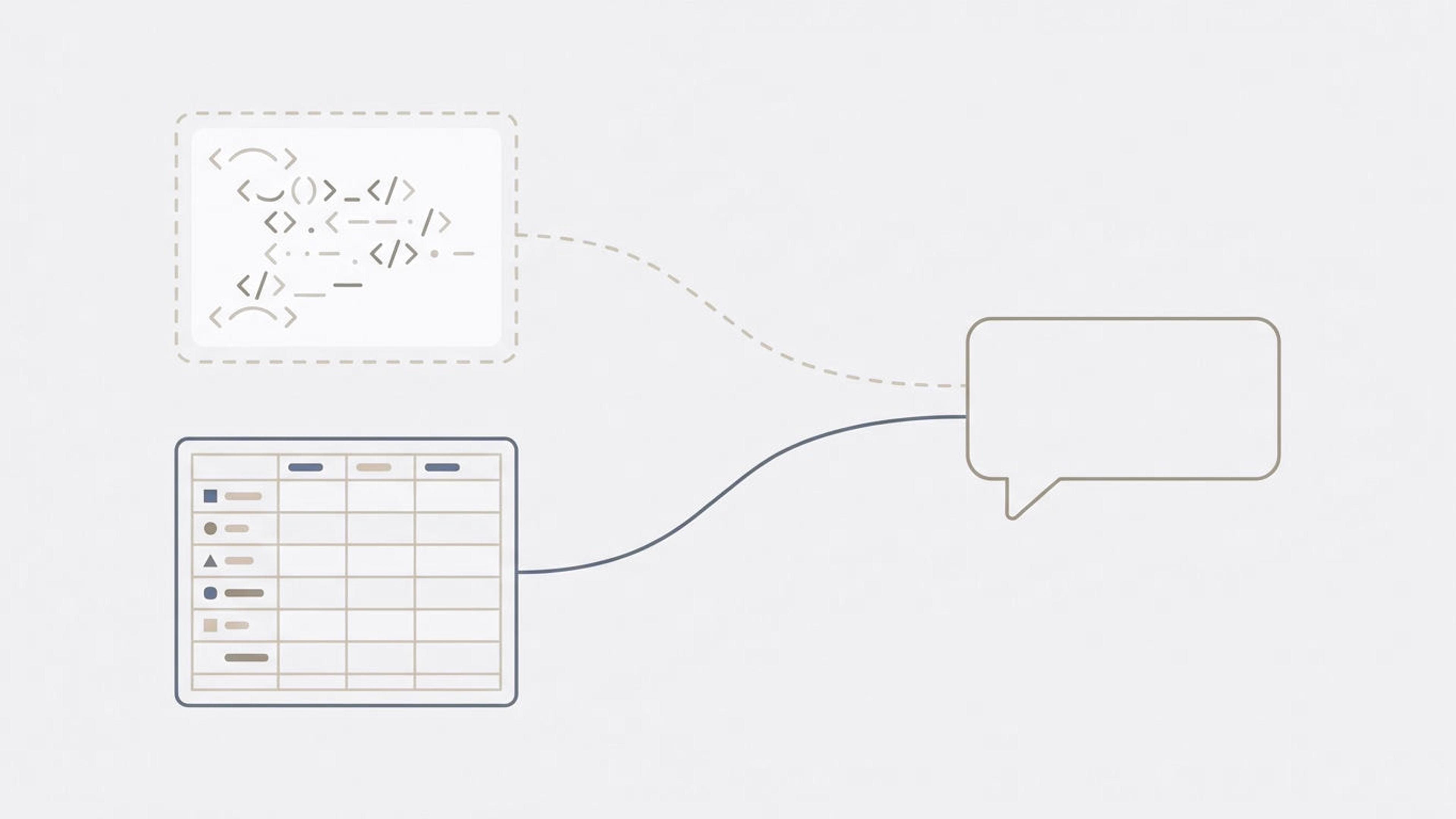
Both hold up. They measure different things, and "structured data" means something different in each one.
The hidden code in your product page
JSON-LD is hidden code on your product page that lists facts, like the name and price, for computers to read. Ahrefs measured whether adding it to a page changed how often ChatGPT, Google AI Mode and AI Overviews named that page as a source. It barely did. A separate test, mentioned in the same article, found that AI assistants opening a page to answer a question skip that code and read the visible page instead. We went through the study, and what it didn't test, in Adding schema didn't move AI citations.
The data Shopify sends to AI
Shopify Catalog is the product information Shopify shares with AI shopping tools: titles, descriptions, options, prices, stock and policies, taken from what you've filled in in your Shopify admin. ChatGPT, Copilot and Gemini can use it directly instead of copying what they can from your product page.
On Shopify's Q2 2026 earnings call on August 5, 2026, its president, Harley Finkelstein, said "AI searches powered by Catalog converted twice the rate of those using scraped data." You can watch the call or read the transcript. What that means for the sale itself is in AI shopping agents skip your homepage.
One caveat: it's Shopify's own number, about its own product, and Shopify hasn't published how it measured it.
Different readers, different outcomes
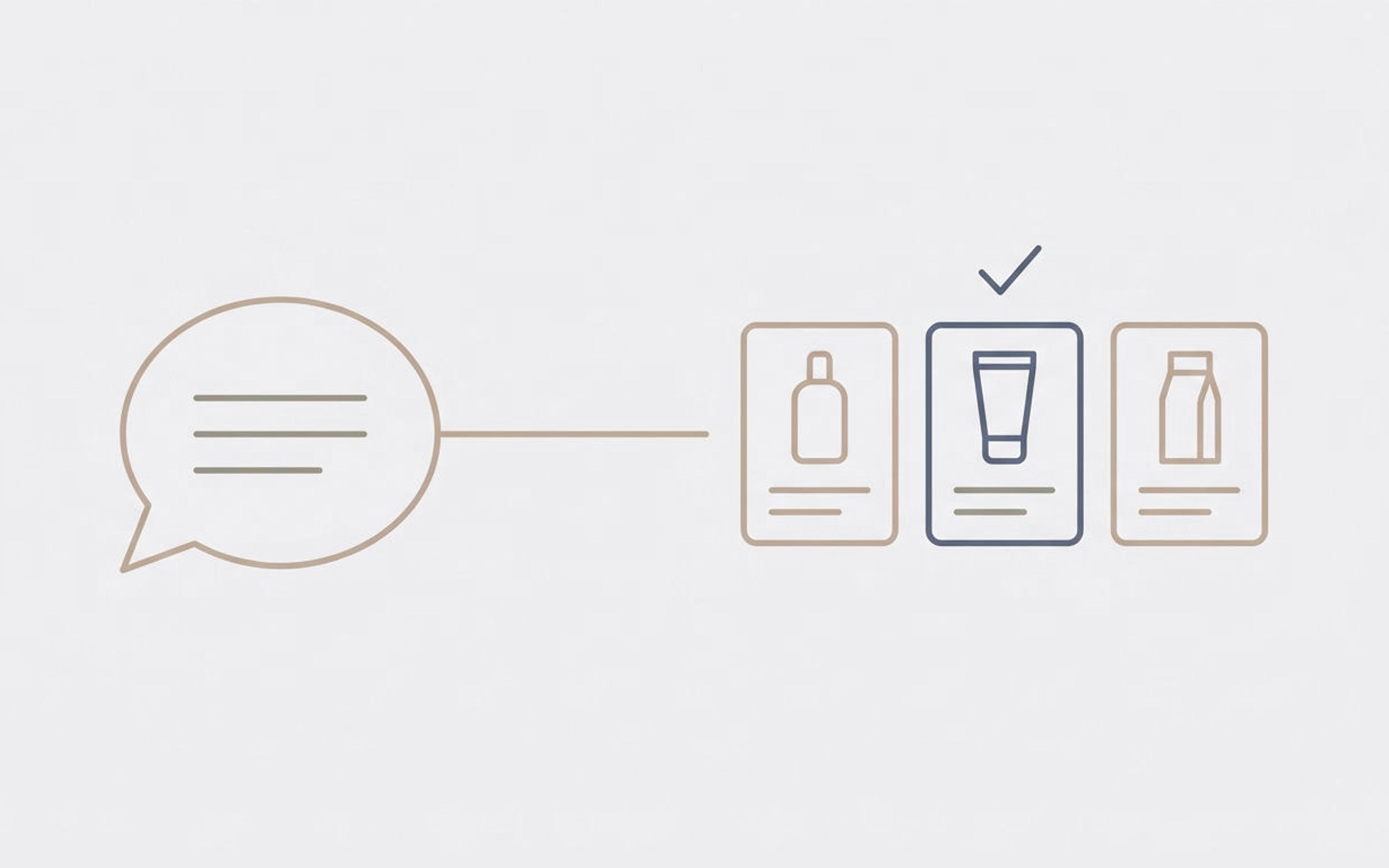
The two findings don't just use the word differently. They measure different results, for different readers.
- The hidden code in your product page: read by Google and Bing when they scan the web, skipped by AI assistants that open your product page to answer a question, and no measurable rise in how often AI names you as a source.
- What Shopify sends to AI: used directly by ChatGPT, Copilot and Gemini, and, by Shopify's account, shoppers twice as likely to buy as with data copied off a page.
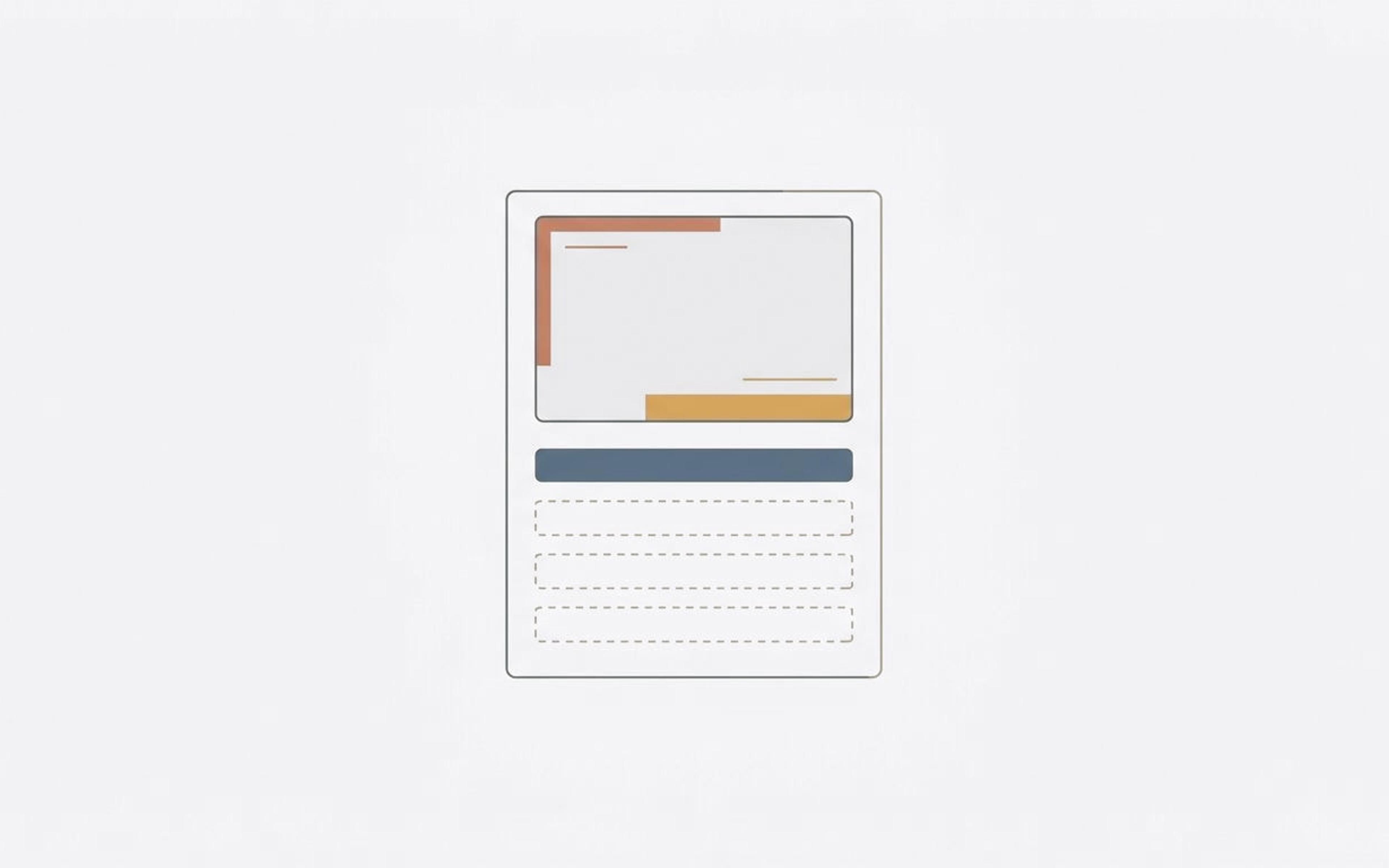
- Your visible product page: what an AI assistant actually reads when it opens the page, and where the shopper lands to buy.
Being named as a source decides whether your product page shows up in an AI answer. What happens next decides whether the shopper buys. A store needs both, and they come from different places.
Where stores fall through
These places can disagree, and shoppers run into the gap. A description added to your store's design (the theme) instead of the product's Description box shows on the product page, but it's missing from what Shopify sends to AI. A shipping policy filled in under Settings never appears on the product page, so ChatGPT's shopping results have it, while an AI assistant reading the product page doesn't.
That's why "add schema" is, at best, one part of the answer.
What you can't control
How each AI weighs these sources, and how fast that changes. Shopify's number is its own, and Ahrefs studied only pages that AI already cited often. Neither is the last word. What holds across both: the facts a shopper asks about have to be readable everywhere AI looks for them.