Adding schema didn't move AI citations. What the Ahrefs study does and doesn't say
Melvin Adu · October 18, 2026
In May 2026, Ahrefs published one of the few controlled tests of a question store owners hear about constantly: does adding schema markup get your pages named as a source in AI answers? Schema markup is hidden code on a page that labels facts, like a product's price, for computers to read. Ahrefs' answer was no, not on its own.
What they tested
Ahrefs tracked 1,885 pages that added JSON-LD (the most common kind of schema markup) between August 2025 and March 2026. Each one was matched with three pages from other sites that AI cited about as often to begin with and that never added schema, about 4,000 in all. Then they compared how often AI cited each page in the 30 days before and after the change.
What they found
- ChatGPT: up 2.2%, too small to mean anything.
- Google AI Mode: up 2.4%, too small to mean anything.
- Google AI Overviews: down 4.6%. Small, but big enough to be real. Both groups were already dropping before the change, though, and the authors say they can't explain it.
Their conclusion: "Adding schema produced no major uplift in citations on any platform."
Why pages with schema still look like winners
The same study found that AI-cited pages were nearly three times as likely to have JSON-LD as pages that weren't cited. That doesn't mean schema caused it. Schema tends to sit on well-kept, established sites, and those get cited for many other reasons. Adding the markup to a page doesn't bring those reasons with it.
What the study didn't test
- Pages AI hasn't found yet. Every page in the study was already cited heavily by AI Overviews before it added schema. The authors say schema might still matter for pages AI isn't citing yet.
- The long run. The study only looked at 30 days, and it lumped every kind of schema together: product, article, FAQ and the rest.
- Whether AI reads the markup at all. That's a different question, and the most useful one for a store.
Does AI even read your markup?
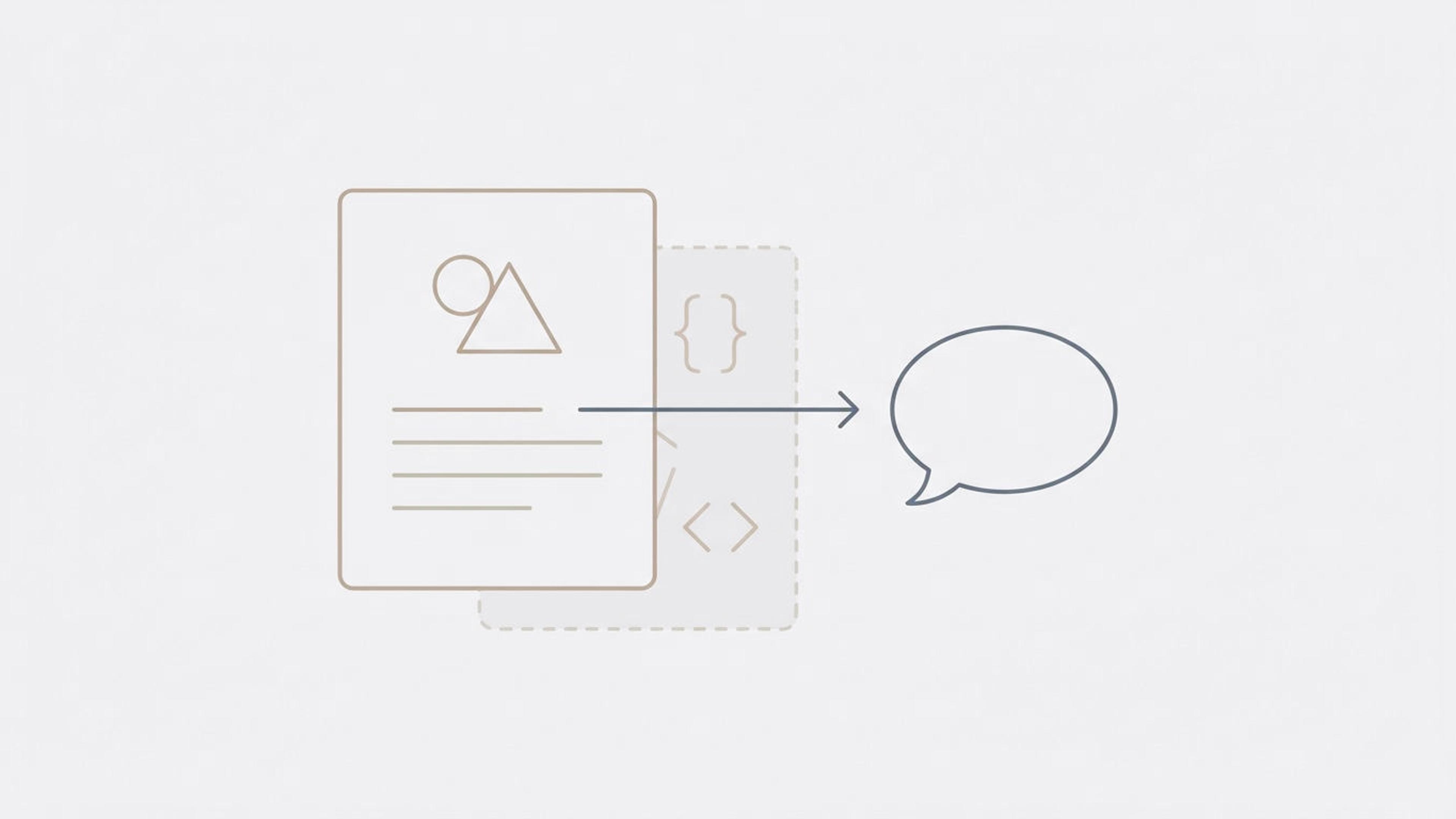
The Ahrefs article points to a separate test by searchVIU that asked exactly that. None of five AI systems (ChatGPT, Claude, Perplexity, Gemini and Google AI Mode) used JSON-LD when they opened a page to answer a question. In searchVIU's words, "every system extracted only visible HTML content." In other words, they read only the text a visitor can see.
That finding is about an AI assistant opening a page on your store while it answers a shopper's question. Google and Bing still read schema markup when they scan the web ahead of time, for their search results and shopping listings. So the markup isn't dead weight. It just isn't what an AI assistant reads when it opens one of your pages.
What this means for a product page
If a fact lives only in your markup, assume an AI assistant opening your product page won't see it. Price, stock, shipping, returns, materials and size are the facts shoppers ask about, and they need to be on the product page itself, as text a visitor can read.
Keep the markup. It still feeds Google and Bing, and it costs little to maintain once it's right. Just don't expect it to be the thing that gets you cited.
What this doesn't settle
One study, on pages that were already doing well, over one month. How often AI cites a page depends on many things at once, and schema turned out to be a small part of that, not none. The useful takeaway isn't "schema doesn't matter." It's that markup can't stand in for a product page that says what shoppers need to know.