On this page
If you've spent time on SEO for your Shopify store, you've probably heard that AEO is the new SEO. It isn't quite. AEO builds on SEO; it doesn't replace it. Some of the SEO work you've done still counts, some of it matters less, and some of the work is new.
This post sorts your SEO work into those three groups, so you know what to keep doing and what to add.
The short version
SEO (search engine optimization) is the work of getting your product pages ranked in Google's list of links. Success is a high position and a click.
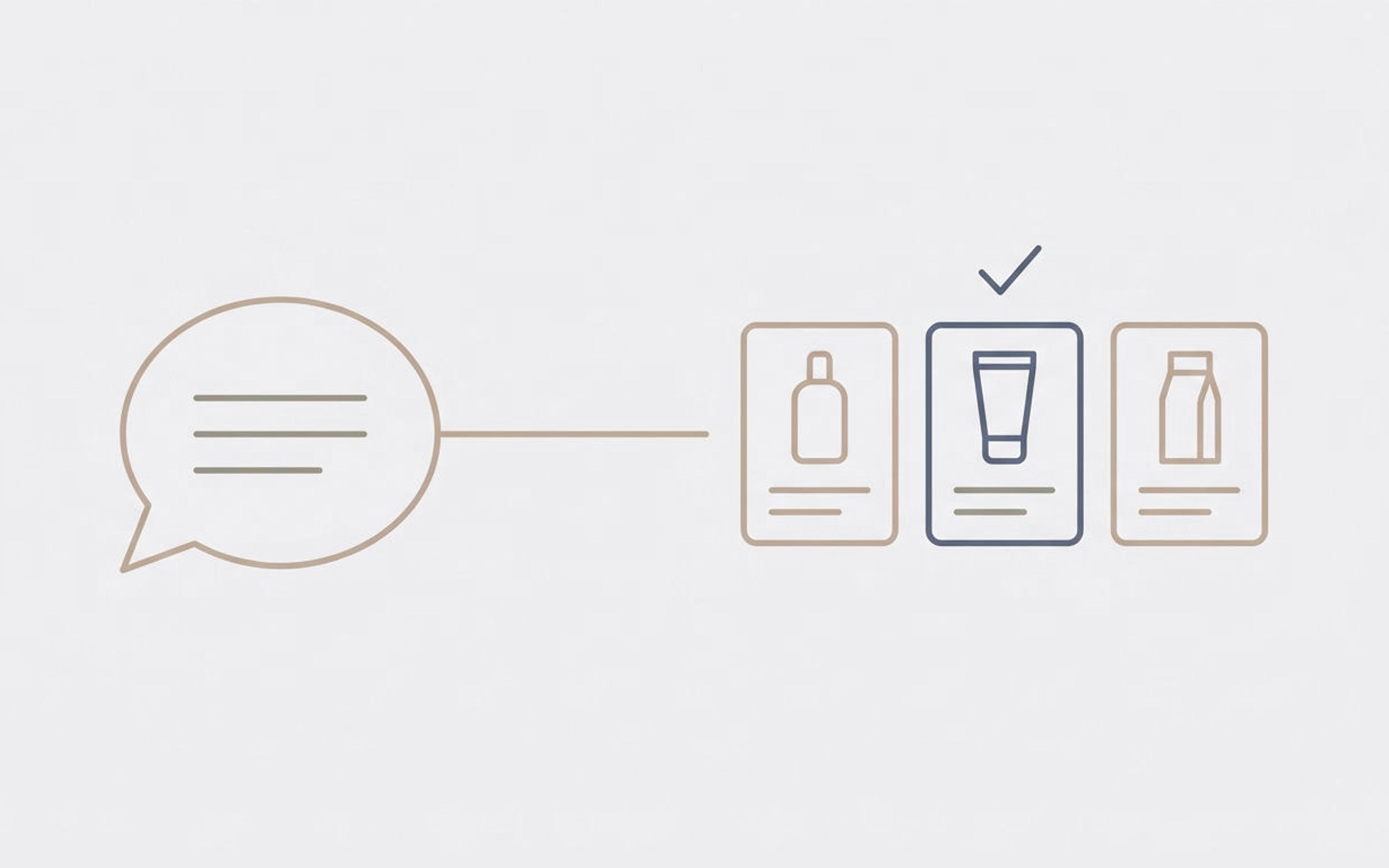
AEO (answer engine optimization) is the work of getting your products named when a shopper asks an AI assistant, like ChatGPT or Google's AI Mode, what to buy. Success is being named, with the right facts about your product.
Google says the two overlap a lot. Its guidance for site owners says there are no additional requirements to appear in AI Overviews or AI Mode, and that the best practices for SEO still apply. So if your store is in good shape for Google, you're partway there.
What carries over from SEO
Letting search engines visit your store. A program called a crawler visits web pages and copies them. Search engines and AI assistants both use crawlers. If a crawler can't reach your product pages, neither Google nor an AI assistant can use them.
A fast, reliable store. A slow store gets fewer of its product pages visited. That hurts both kinds of search.
Structured data that matches the product page. Structured data is hidden code on a page that labels facts like price and size for computers. Google's guidance for its AI features asks that this code match the text a shopper can see. That was already good SEO practice.
Useful product descriptions. A description that says what the product is for and who it fits helps a shopper, a search engine and an AI assistant alike.
What matters less
Ranking first. In an AI answer, there's no list of links to climb. Ahrefs looked at 4 million pages that Google's AI Overviews linked to as sources, and found that only 38% ranked in Google's top 10 for the same search. Ranking still helps, but most of those pages weren't in the top 10.
Repeating keywords. Shoppers ask AI assistants full questions, not keywords. When Google launched AI Mode, it said early users asked questions two or three times the length of traditional search queries. A product page that repeats "moisturizer for sensitive skin" five times doesn't answer whether it's fragrance-free.
The SEO title and meta description. In Shopify, these live in the "Search engine listing" box on each product. They decide how your product looks in Google's list of links. In an AI answer, the assistant writes its own summary, so these boxes do less of the work.
What's new with AEO
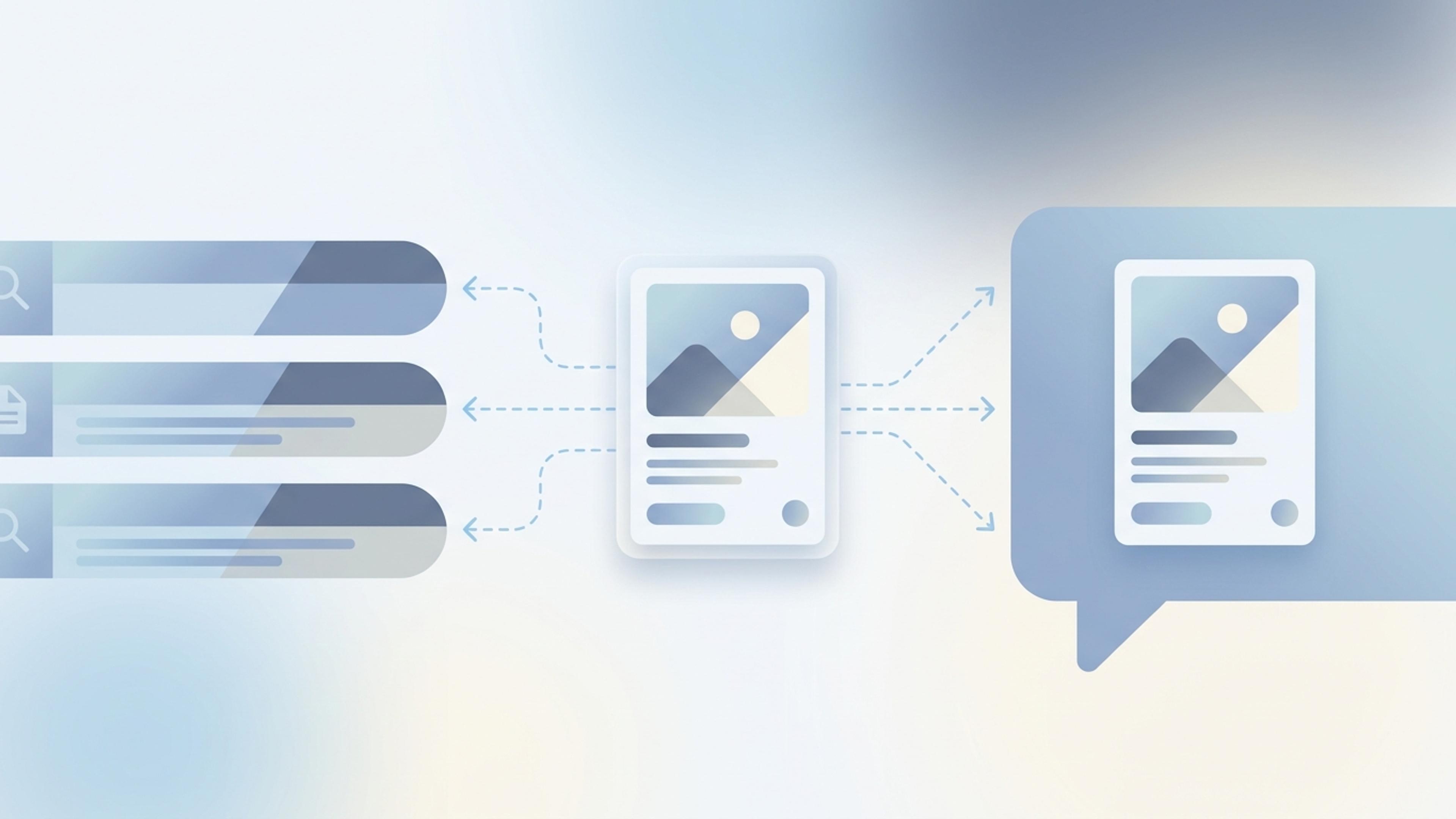
Your Shopify data reaches AI assistants directly. Shopify's agentic storefronts feature makes your products available to ChatGPT, Microsoft Copilot, Google's AI Mode and Gemini, and Meta's AI. Shopify says it's on by default for eligible stores. This is a path SEO never had: your products can reach an assistant without anyone visiting your product page. So the product details saved in your Shopify admin matter for their own sake, not only as text on a page.
Product details that answer questions. For SEO, a product needed the right words. For AEO, it needs the right facts: what it's made of, what sizes it comes in, who it's for, and what it works with. On Shopify, many of these belong in metafields, Shopify's custom fields for product details. Our AEO for Shopify guide goes through each field.
AI crawlers that you can block without knowing. AI assistants send their own crawlers, separate from Google's. A line in your robots.txt file or a firewall setting can block them while Google still gets in. Step 1 of our guide on how to get your products recommended by ChatGPT shows where to check.
Checking what AI says about you. SEO has rankings you can look up in Google Search Console, Google's free tool for site owners. AEO doesn't. AI answers change from one ask to the next, so you have to ask the same questions many times and count who gets named. We explain how in why ChatGPT recommends your competitors, and not you.
Your SEO work, sorted
If you've done SEO on your Shopify store, here's how each common task fits:
- Product descriptions: keep them, and add the facts shoppers ask about.
- Image alt text: keep it. It describes your photos to search engines and AI assistants.
- Structured data from your theme: keep it, and check that it matches your product pages.
- Search engine listing box: keep it tidy, but it does less for AI answers.
- Keyword-stuffed titles: rewrite them in the words shoppers use.
- Blog posts for keywords: keep the ones that answer real buyer questions.
- New: fill in product details and metafields, check that AI crawlers can reach your store, and ask AI assistants what they say about you.
Do you need both?
Yes. Google is still where many shoppers search, and AI assistants use search engines to find pages too. But the two reward different things. SEO rewards a product page that ranks. AEO rewards product data that answers a shopper's question.
That's why AEO for a store starts with your store's product data. It's the part you fully control, and it serves both kinds of search. If you want the bigger picture on the names, we compared AEO and GEO too.
To see what an AI assistant can read on your product pages, try our free check.
What this doesn't settle
Google's guidance covers Google's own AI features, not ChatGPT or other assistants. The Ahrefs figure is an average across many searches, and your category will differ. AI assistants also change how they answer over time. No one can promise your store a spot in an AI answer, any more than a first-place ranking on Google.